
You’ve tweaked the button colors. You’ve shortened the copy. You’ve even added a countdown timer to your cart page. Yet, your conversion rate is still stuck in the mud.
In 2026, standard Conversion Rate Optimisation (CRO) tactics are no longer enough. If you’re treating CRO as a checklist of best practices rather than a strategic design challenge, you are leaving revenue on the table. Most businesses plateau because they focus on removing friction without building desire.
At Relab, we see it constantly: startups and established brands alike obsessed with micro-optimisations while the macro-strategy is broken. You don’t need more hacks. You need to de-risk your product development and accelerate your growth with a result-first approach.
Here are 10 reasons your CRO isn’t working: and exactly how to fix it.
1. You’re Optimising Pages, Not Journeys
Most CRO efforts fail because they are siloed. You fix the landing page, then the product page, then the checkout. But your customer doesn’t see pages; they see a continuous experience.
The Fix: Implement a holistic North Star strategy. Stop looking at bounce rates in isolation. Analyse the entire flow from the first ad click to the post-purchase confirmation. If your product discovery is generic, a fast checkout won’t save you. We use Rapid Strategy Sessions to align these touchpoints and ensure the journey is seamless.
2. You’re Treating Symptoms, Not Causes
A high cart abandonment rate is a symptom. The cause could be anything from hidden shipping costs to a lack of trust or a confusing interface. If you just add a Checkout Now popup, you’re putting a band-aid on a broken leg.
The Fix: Conduct a deep-dive Ecommerce UX Audit. Move past the what and get to the why. Use tools to observe real user behaviour. Are they hesitating at the payment gateway? Are they clicking on non-clickable elements?

Prototyping root-cause solutions ensures you solve the right problems before writing a single line of code.
3. Your Mobile Experience is a Second-Class Citizen
Mobile traffic accounts for over 70% of ecommerce visits, yet mobile conversion rates often lag 50% behind desktop. If your mobile site is just a shrunken version of your desktop site, you’ve already lost.
The Fix: Adopt a mobile-first design language. Simplify navigation, prioritise thumb-friendly interactions, and integrate one-tap digital wallets like Apple Pay and Google Pay. We helped brands like Reece optimise their checkout experience specifically for the mobile user, resulting in tangible conversion lifts.

4. The “UX Ceiling”: No Reason to Buy Now
Removing friction makes it easier for people to buy, but it doesn’t make them want to buy. Most stores hit a UX ceiling where the site is perfectly functional, but the conversion rate stalls because there is no emotional urgency.
The Fix: Focus on Value Proposition Design. Why should they buy from you instead of a competitor? Why today? Use strategic design thinking to inject brand storytelling and “Buy Now” triggers that feel authentic, not manipulative. Look at how Levi’s uses sustainability as a powerful conversion driver.
5. Fragmented Personalisation
If your homepage welcomes a returning customer by name but then shows them generic product recommendations, you’ve broken the test-and-learn trust cycle. Inconsistent personalisation feels like a technical glitch to the user.
The Fix: Create a unified data layer. Ensure that the intent shown on page one carries through to the checkout. Personalisation should be about relevance, not just data collection. Use zero-party data to serve content that actually helps the user make a decision faster.
6. You’re Playing It Too Safe
Small A/B tests (like changing a font) lead to small gains. If your conversion rate is truly stagnant, you don’t need a tweak; you need a transformation.
The Fix: Run a Flagship Design Sprint. Instead of months of incremental testing, dedicate five days to validate a radical new solution. High-growth companies aren’t afraid to re-imagine their core offerings to find a better market fit.

7. The Checkout Wall
Every extra field in your checkout is a reason for a customer to leave. Forced account creation, complex forms, and no nasty surprises (like unexpected taxes) are conversion killers.
The Fix: Implement a “Guest Checkout” by default and use address auto-complete. Be transparent about costs from the very first step. Your checkout should be a frictionless slide, not a hurdle race. Our Ecommerce UX Audit specifically targets these hidden friction points that drain your revenue.
8. Technical Debt and Performance Drag
A one-second delay in page load time can result in a 7% reduction in conversions. If your site is bogged down by unoptimised images or legacy scripts, your UX efforts are being throttled by your tech stack.
The Fix: Audit your site performance. Optimise assets and consider headless commerce or modern PWA frameworks if your current platform is holding you back. Speed is a feature, and it’s a non-negotiable one for conversion.
9. Lack of Strategic Trust
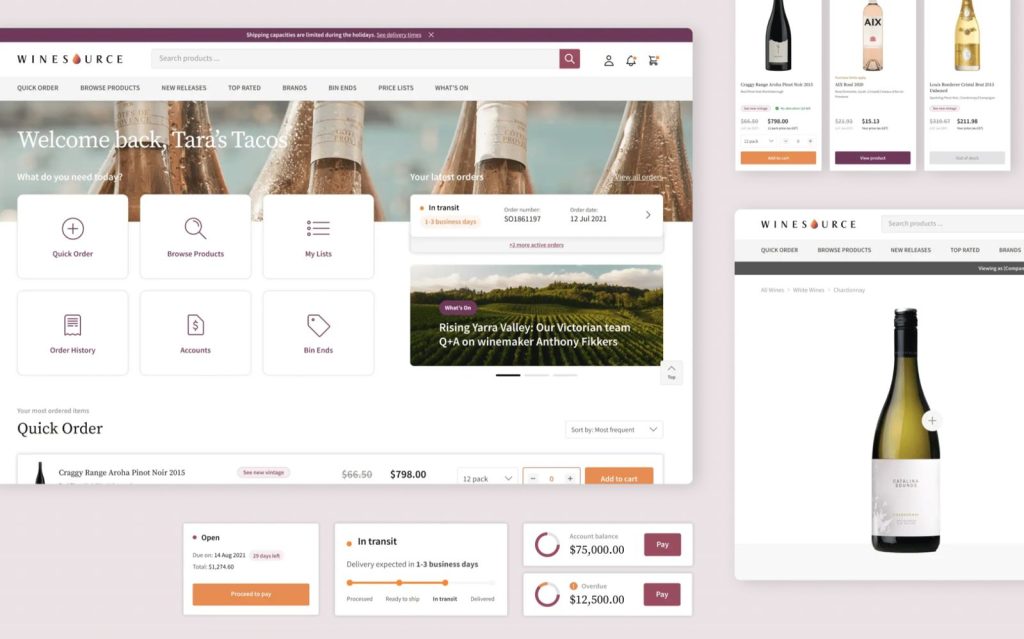
Trust isn’t just about putting a security badge in the footer. It’s about the professional feel of the site, the clarity of the return policy, and the presence of social proof that feels real.
The Fix: Use evocative, high-quality imagery and clear, assertive copy. Position yourself as an expert in your niche. If you sell high-end goods, your site needs to look the part.
Authentic messaging builds the trust required to close the sale.
10. You Don’t Have a Fractional Product Strategist
Most businesses lack a high-level view of how their digital product fits into their overall business goals. Without a Chief Experience Officer (CXO) mindset, CRO becomes a series of disjointed tasks rather than a growth engine.
The Fix: Bring in a Quarterly Product Advisor or Fractional Product Strategist. You need someone to step back, look at the data, and say, “We’re solving the wrong problem.” This objective, results-first perspective is what separates stagnant brands from market leaders.
Stop Guessing. Start Growing.
Conversion Rate Optimisation isn’t about luck; it’s about Solution Validation.
You can continue guessing which button to change next, or you can implement a proven, strategic framework that de-risks your investment and delivers a feasible and viable roadmap for growth.
At Relab, we function as your on-call CXO, providing the hands-on guidance your team needs to transform your digital presence. Whether you need an intensive Design Sprint or a comprehensive Ecommerce UX Audit, we focus on one thing: results.
Ready to accelerate your conversion? Let’s talk about your strategy today.